The Craft of Coaching: More Than Just Passing On a Skill
“A good teacher can inspire hope, ignite the imagination, and in still a love of learning.”
-Brad Henry
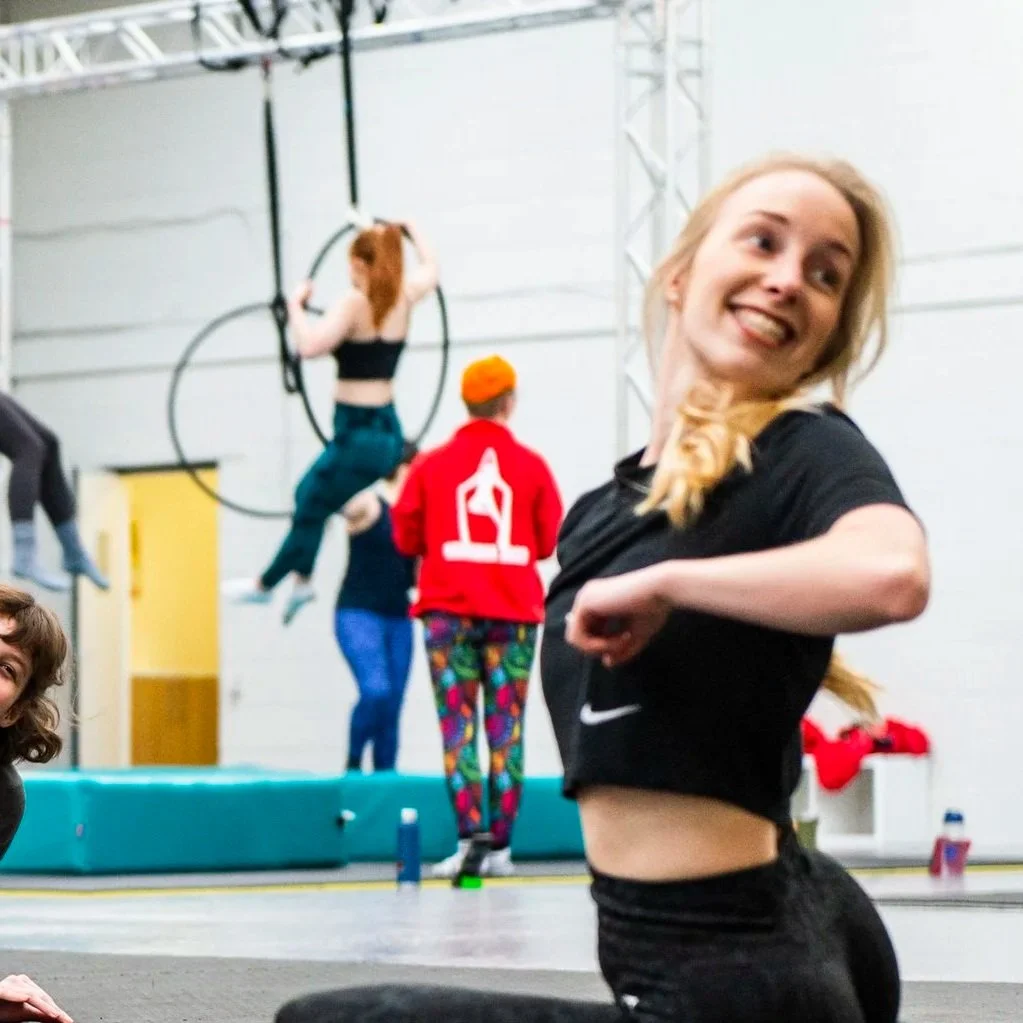
“…It takes at least 10 years to make an artist…”
I think many people often assume that teaching is simple.
You learn a skill,
you pass it on,
and that’s that.
If you’re thinking about becoming an instructor, or you’re already deep in the world of coaching and wondering why it feels so hard some days, keep reading.
When I trained at NSCD, they used to tell us it takes at least ten years to create an artist. I never fully understood that until now. After a decade of teaching movement, I feel like I’m only just beginning the journey toward the flexibility instructor I want to be.
It’s taken me ten years to grow into the coach I want to be, and that journey is still unfolding. But I’m finally proud — and comfortable — with who I’ve become. I’m drawing on everything I’ve learned: my contemporary training, my arty creativity, and my years of coaching experience. All of it feeds into my own style of imaginative, adaptive, and deeply creative coaching.
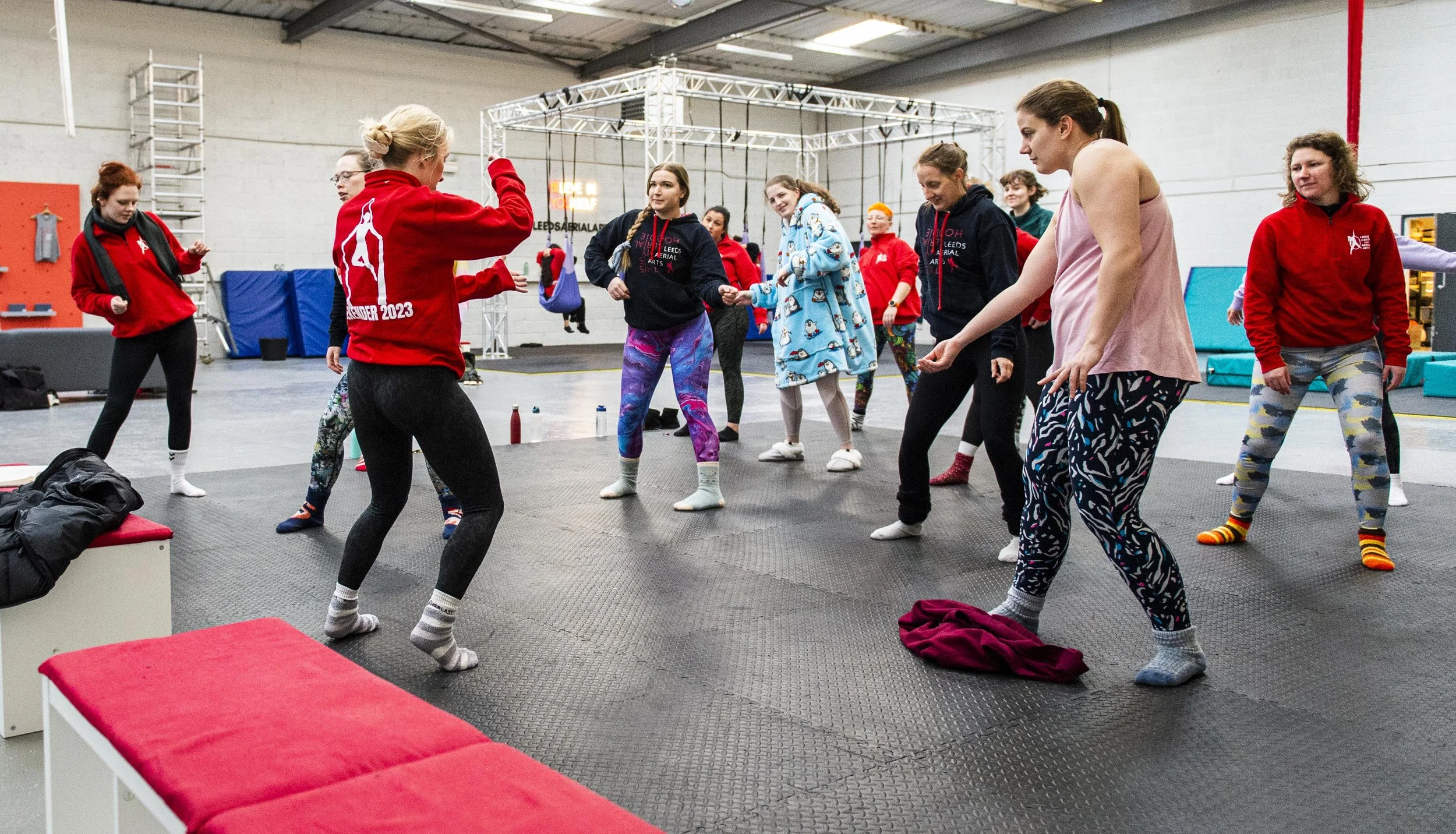
Instructing isn’t just “showing someone how to do something.” There is so much more to it…
It’s learning how they learn — and constantly adopting your approach to meet them where they are. In one room you’re managing different personalities, learning styles, confidence levels, and emotional states, all while navigating your own. Your teaching changes depending on everything: who you’re teaching, what you’re teaching, whether it’s before or after lunch, whether it’s raining outside, or simply because it’s a Wednesday.
It’s reading the room, reading the body, reading the energy. It’s knowing when to push, when to soften, when to re‑explain, and when to throw your entire plan out the window because the class needs something different. You can spend hours planning a session, only to realise halfway through that everyone’s flying ahead… or collectively hating the move you love. Adapting is key.
A good instructor doesn’t just know moves. A good instructor understands the world around the moves — the anatomy, the technique, the progressions and regressions, the history, the artistry, the pedagogy, the emotional landscape, the safety considerations, and the long‑term development of a student.
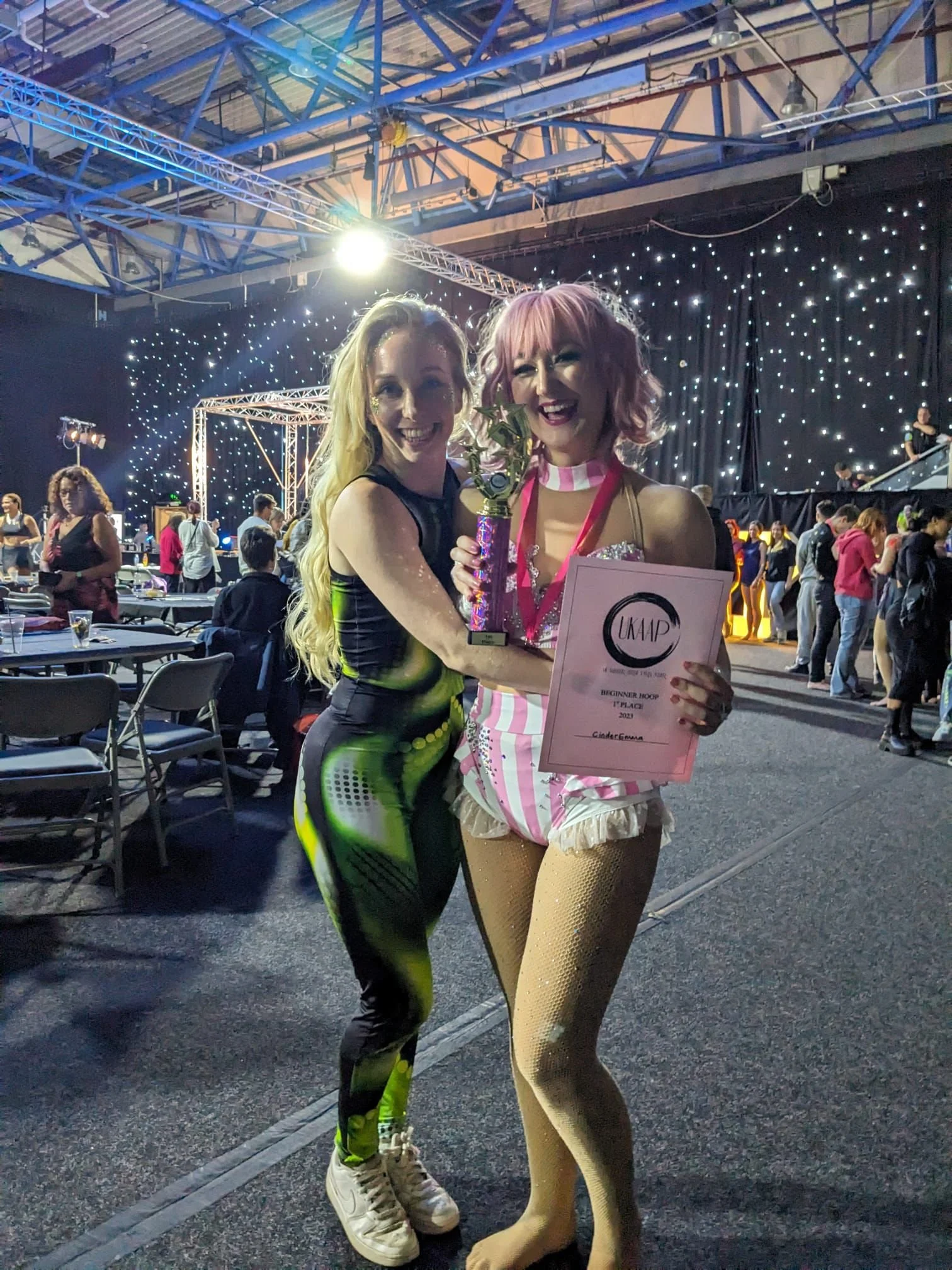
“…the more you know,
the more you know that there’s more to know…”
You need a wealth of knowledge and experience, not just a handful of shapes.
And ironically, the more you know, the more you realise how much there is to know, and how much you don’t know. This is where imposter syndrome creeps in. It’s common among good instructors because they care deeply. A little imposter syndrome keeps you learning; too much can pull you down.
Good coaches have a commitment to always learning more to understanding the body, the art form, and the people in front of you.
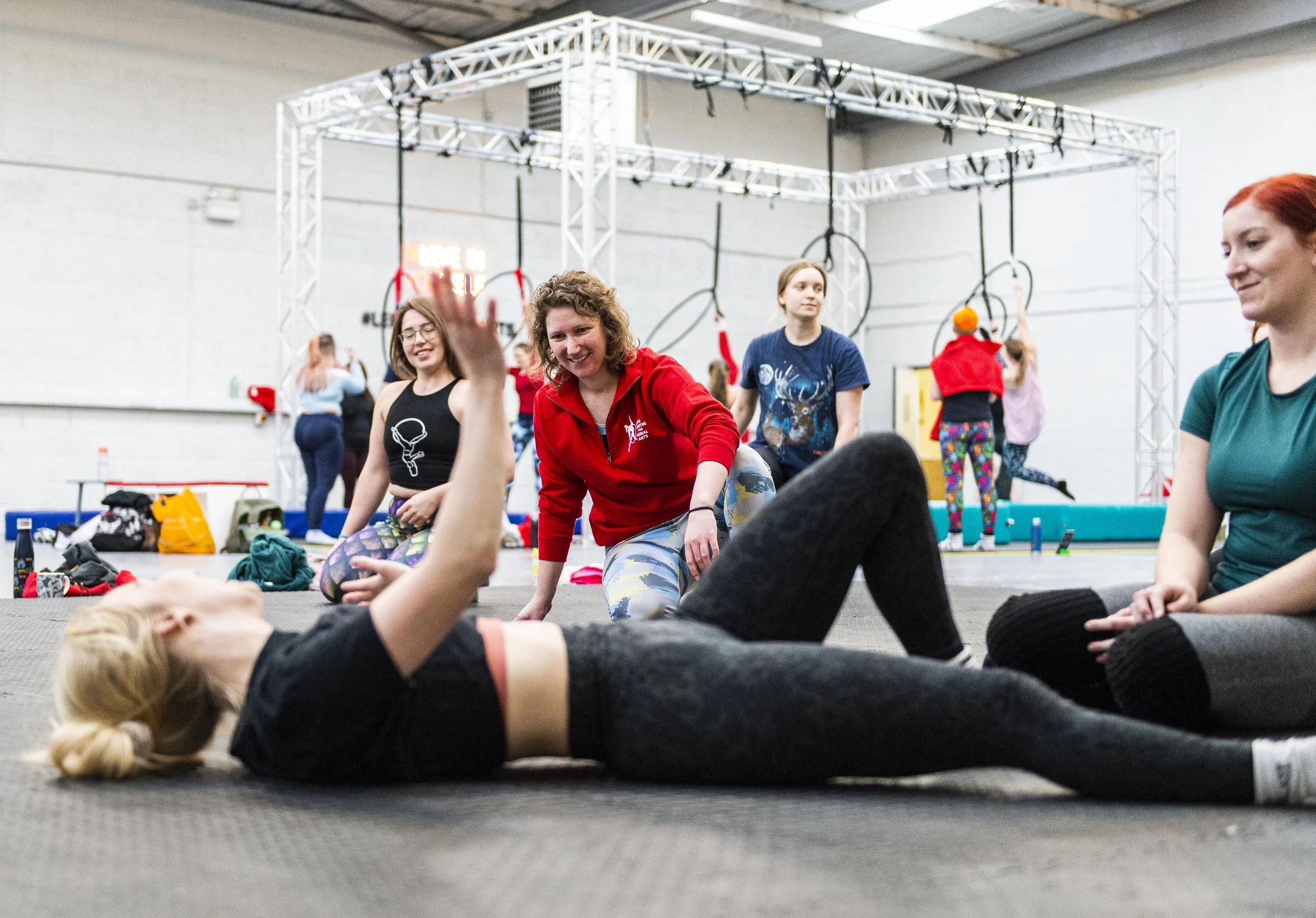
“…Resist pressure from trends, Instagram
or students wanting to skip steps…”
As you gain experience, you gain a better understanding of who you are as a coach.
What is your teaching style?
Who are your ideal students?
What do you love teaching most?
What makes you you in the studio?
This clarity is what helps you resist pressure from trends, Instagram, or students wanting to skip steps. It keeps you grounded, curious, and evolving so your knowledge never becomes stale. You’re constantly balancing the need to keep classes exciting with the need to reinforce the basics — making the mundane forever interesting. That pressure alone is a lot to carry.
You also learn that not every student will prefer your style — and that’s okay. Sometimes it’s not about teaching ability at all, but simply a mismatch of personalities or preferences. If you’re teaching as your authentic self, you should be proud of your sessions and at peace with the fact that they won’t be for everyone.
The trap you don’t want to fall in is…
…teaching things you aren’t qualified for, or teaching what you’re not comfortable with just to be popular. This is how accidents happen. Students can sense when something feels off. Stick to your strengths, your boundaries, and your authenticity — that’s what earns respect. You don’t need to teach everything. Your speciality is what makes people come to you.
Remember- A good instructor knows their boundaries, their strengths, and what they don’t teach — even when Instagram or a student’s expectations try to pull them elsewhere.
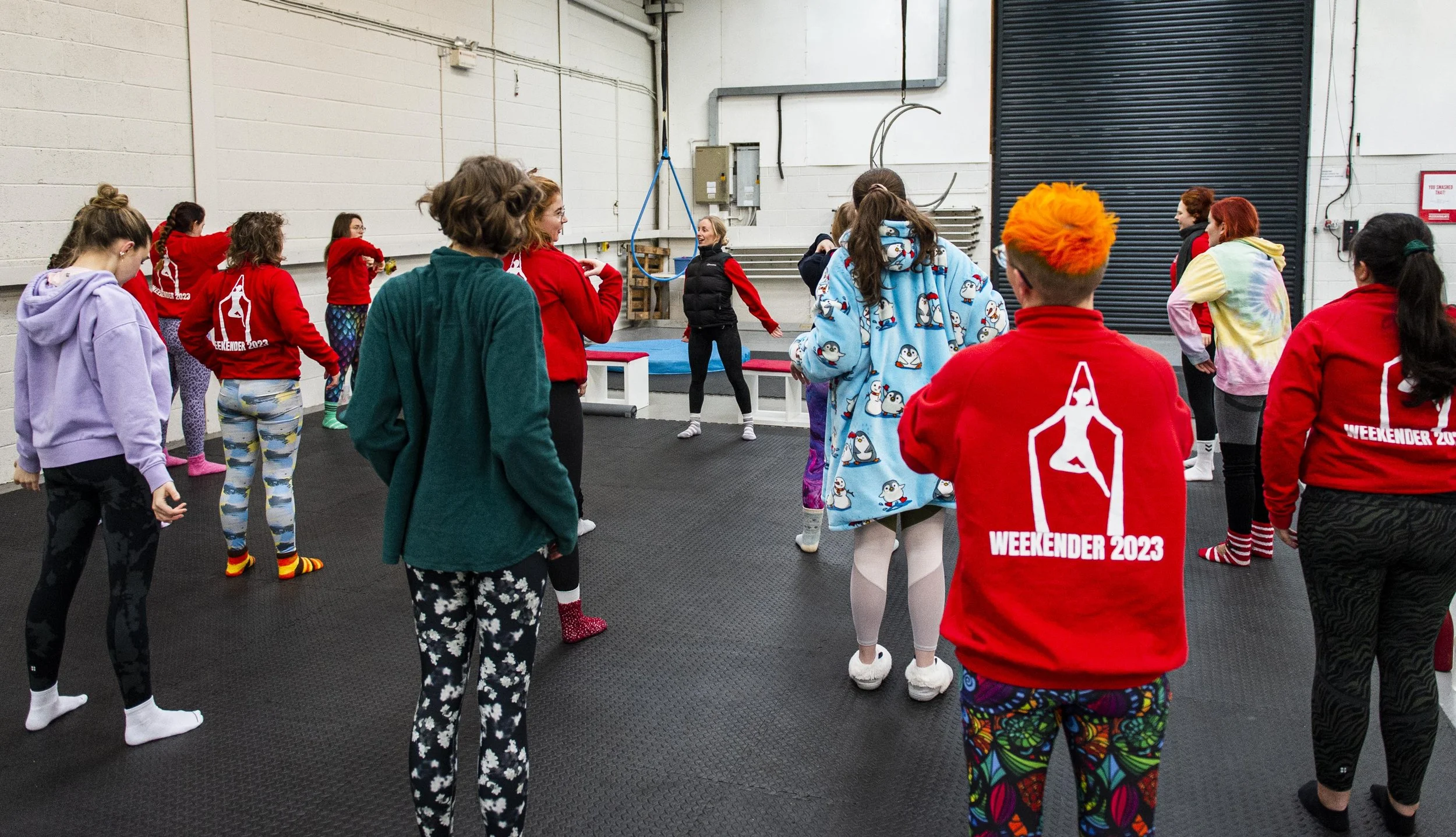
And then there’s your body.
Instructing is about giving energy, holding space, solving puzzles, and constantly creating. You spend a lot of time planning classes, reflecting after them, and spend hours developing workshops. It’s about bringing new ideas while keeping the basics fresh and fun. It’s about being able to teach without demonstrating — for the days you’re tired, injured, or simply protecting your body for the long term.
Your own warm‑ups can easily be rushed or forgotten. Your focus is naturally on others. You demonstrate, you stop, you cool down, you demonstrate again. You repeat movements on one side more than the other. You squeeze your own training into the cracks of your schedule. You have to protect your body fiercely — not just for today, but for your future.
Remember- If you love this career you want it to last!
As you get older, you gain experience, wisdom, and clarity — and you become a better coach. Your body is your tool, but you will also face times when you can’t or shouldn’t demonstrate. You may be injured, under the weather, or simply not warm enough to safely show a difficult move. A good instructor can teach without demonstrating. A great coach can teach even when they’re older and unable to do the moves themselves. Don’t burn your body out.
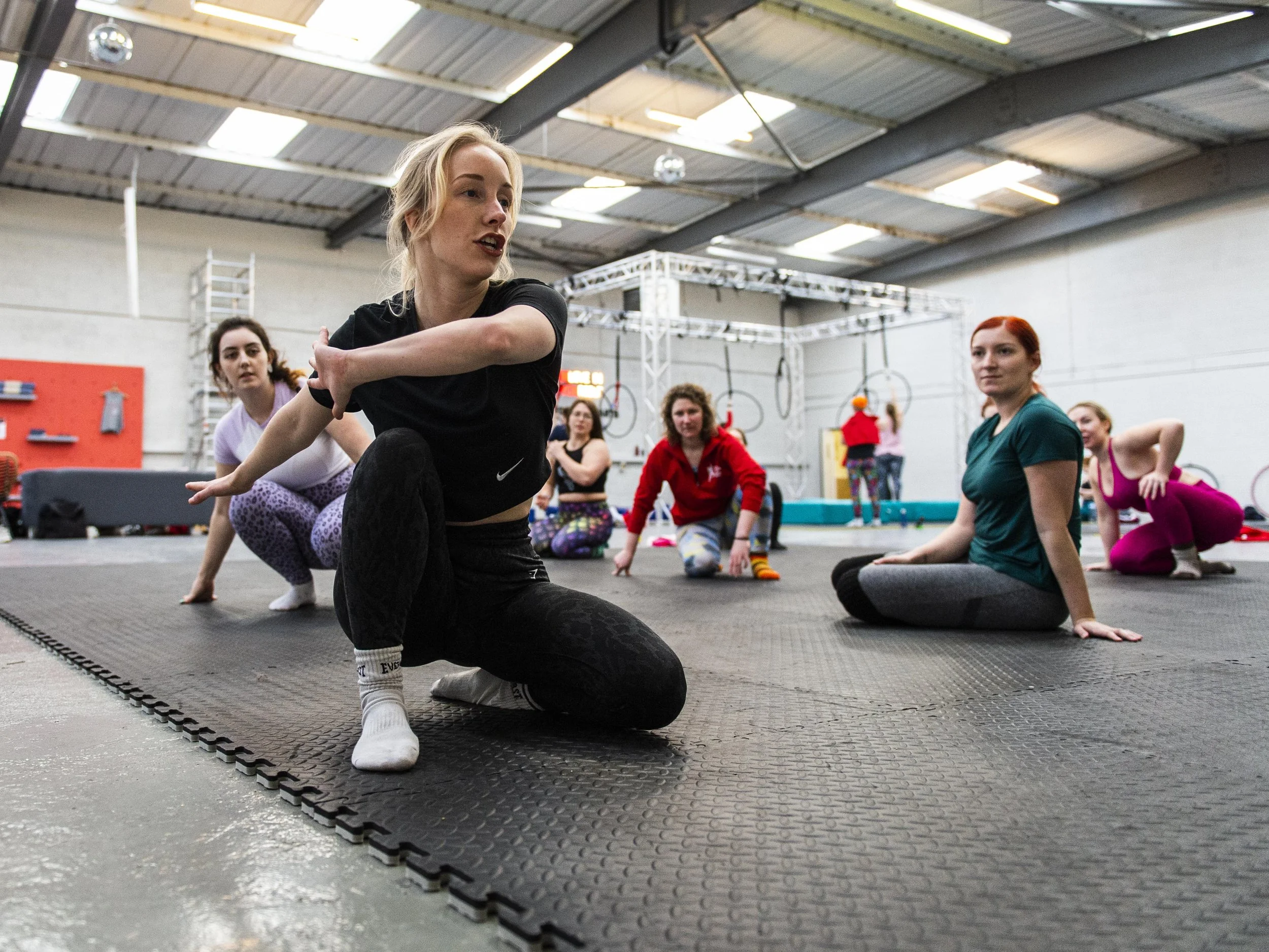
You hold space for others while quietly managing your own inner world.
Woven through all of this is the emotional labour.
Teaching asks you to give so much of yourself — your energy, your attention, your presence, your creativity. You show up professionally and consistently, even on the days when your own emotions are loud.
It’s fun. It’s draining. It’s a privilege. It’s a responsibility. It’s hard and tiring work.
And one of the most important truths about being an instructor is this: It’s not enough to love the sport or the art. That’s where many people get confused.
You have to love the act of teaching — the puzzle, the people, the process. If you don’t love that part, the job will feel heavy. And you definitely don’t want to become the instructor who’s in it for their own ego — the ones who love the sound of their own voice, have obvious favourites, and show little interest in the progression of the room.
Teaching is a big deal. A huge skill. A craft that deserves respect, recognition, and celebration.
Kathryn x