Start With Stillness: How to Body Scan & Inspiring Ways to Use It
What is a body scan?
A body scan is a gentle, intentional check‑in with yourself — a moment where you bring your attention slowly through the body, noticing sensations, tension, ease, temperature, breath, and overall energy without judgement. It’s a way of tuning into your internal landscape so you can understand how you’re arriving in this moment. By pausing to listen in this way, you create the awareness needed to adapt your practice to the body and mind you have today, rather than the one you expected to have.
I encourage everyone to perform a quick body scan before your self practice. The best way to work on yourself, is to know exactly what you’re working on to begin with!

What do I have to do in a body scan?
Doing a body scan helps you understand how your body is arriving today, rather than how you wish it was arriving. Perform a body scan is all about listening…
Listen for areas of tension, fatigue, or sensitivity so you can adapt your session to train safely.
Listen to where you feel open, energised, or ready, helping you make the most of good days.
Listen to and ground your nervous system, shifting you out of “busy brain” mode and into focused practice.
Listen to where your limits may be, to prevent you from pushing beyond your capacity on days when your body or mind isn’t prepared.
Supports long‑term, sustainable progress by reducing the risk of injury and burnout.
Strengthen your body awareness — the foundation of intelligent, effective flexibility training.
Practice self‑honesty and self‑respect, which is essential for a healthy movement journey.
Why is practicing self-honesty & authenticity so vital for flexibility training?
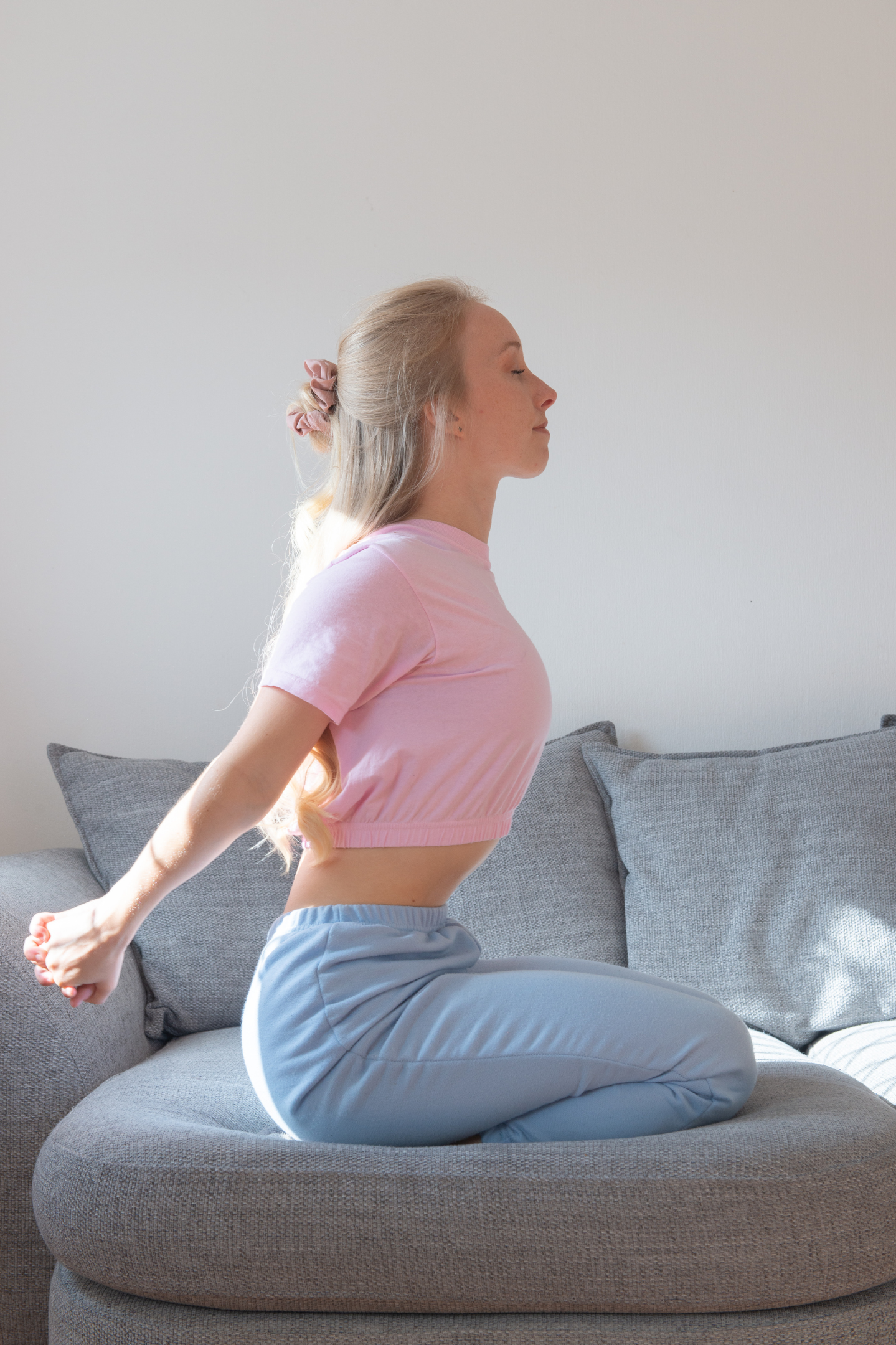
Practising self‑honesty and authenticity is essential because it keeps your training — and your relationship with your body — grounded in truth rather than expectation. When you’re honest about how you feel, what you need, and what’s genuinely available to you on any given day, you make choices that support your long‑term progress instead of sabotaging it. Authenticity removes the pressure to perform, compare, or “push through,” and replaces it with a practice that feels kinder, more sustainable, and far more effective. It’s the difference between forcing your body and working with your body — and that shift changes everything.
Most of your flexibility is about training the mind just as much as the body, as the two are connected. To succeed in your flexibility training means both need to be working together on the same page.

How do I do a body scan?
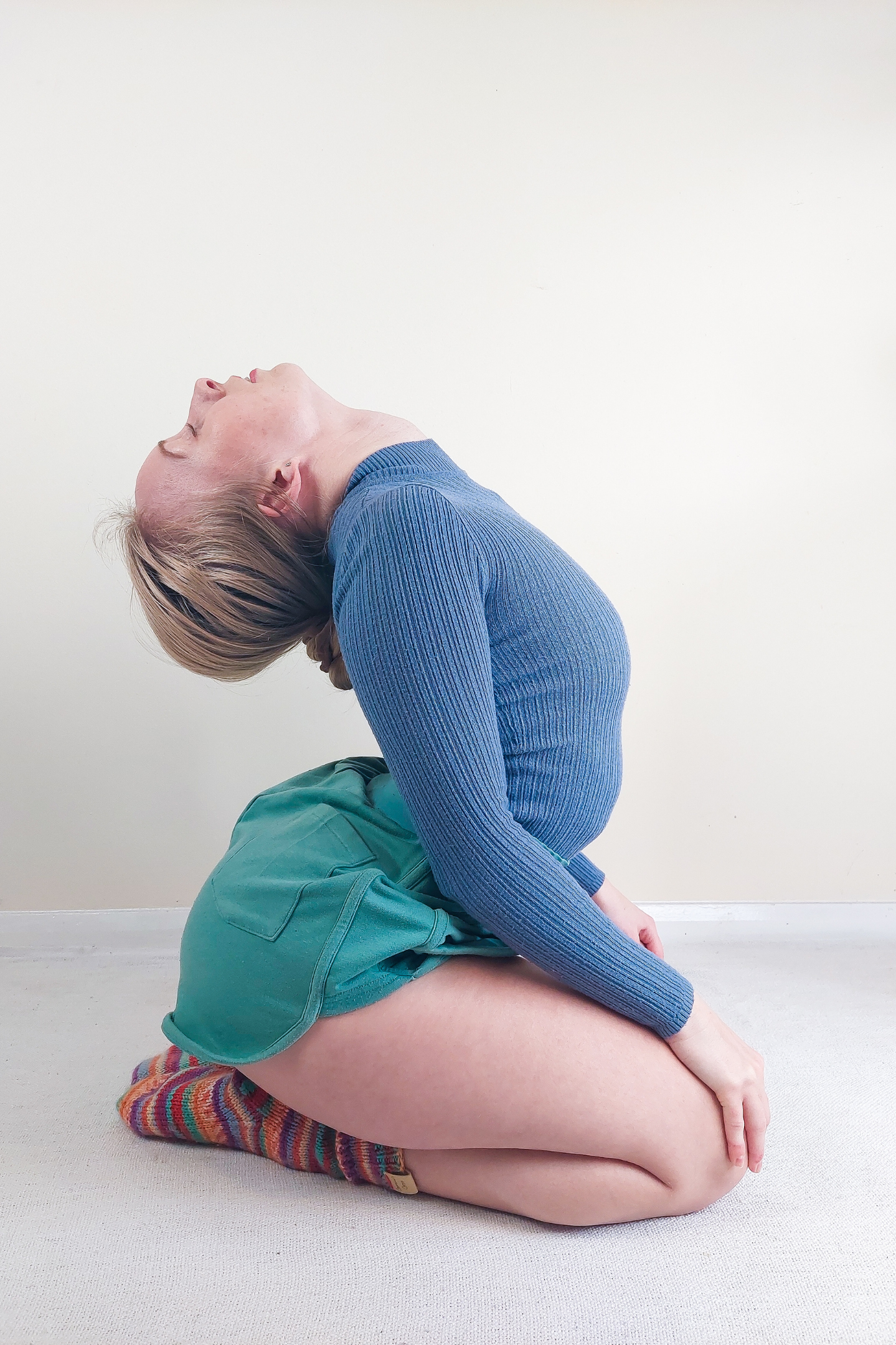
Settle into a comfortable position, lying down or sitting, and take a breath to melt into that position.
Bring your attention to the top of your head and begin to move downward.
Notice your face, jaw, and neck — no judgement, just awareness.
Scan through your shoulders, chest, and back.
Move your attention down your arms and into your hands.
Notice your belly, hips, and the weight of your pelvis.
Travel down through your legs to your toes.
Check in with how your mind/ emotions are today
Sense your whole body and mind as one and acknowledge how you’re arriving today.

4 Different Inspo Ideas for your Next Body Scan
Make sure you don’t turn your new great habit into a auto pilot moment! Use these different ideas to keep it fresh, and to keep you learning more about yourself. We use these different ideas all the time in class, as everyone listens in their own individual ways, see which one you connect with best!
Emotions
Through the body scan, listen to any emotions that come your way. Remember, nothing is good or bad, it just is. So listen without judgement, and don’t force anything. Simply Listen to whatever emotions are stored in the body or the mind. Those emotions might be hiding in a pocket somewhere in a specific place in the body, or they might be travelling around the body, or engulfing it. You might be flooded with just one strong emotion, or your knee might have a different emotion to your belly! Explore and see what you find!
2. Colours
During your body scan, this time I want you to listen out for colours. I like to use the idea from Ratatouille when he tastes the different flavours and sees them as colours in his mind. Again, don’t force anything, just listen to the body and see what jumps to your mind. Are there any areas of colour in the body, do they travel, do they have a pattern, or are they settled like a puddle somewhere? What colours come your way?

3. Textures
Instead of colours, this time you are listening out for textures.
Silky, Velvety, Fluffy, Fuzzy, Silky, Pebbly, Scratchy, Spikey, Floaty, Wispy, Icy, Cloudy
When you scan through your body, what textures do you find and where? Remember nothing is good or bad, it just is.
4. Weight
In this body scan, your going to listen out to different ideas of weight.
Before you begin the scan, imagine lying in memory foam. When you exhale, you sink deeper into the memory foam. Feel gravity pulling you down, as well as the equal force of the ground holding you up.
In your first scan, I want you to listen to all the heavy parts of the body and their relation to the floor. Which parts of the body feel heavy, and which parts are really light. Your forearm might feel like it’s pressing lightly on the ground, compared to your right shoulder blade. Listen to each part of contact your body has on the ground. Which bits feel bony, and which bits feel squishy. Try to listen right to the edge of each point of contact.
Then flip it! Instead of listening to the points of contact, now I want you to listen to the negative spaces, and the gaps between the body and the ground. How big do they areas feel? Listen to the gap under your lower back, behind the knees, the wrists, the space at the back of the neck, or under the heel.
Finish with a gentle wiggle bringing the body back to life again, and enjoy!

Keep your mind open,
and give it a go!
Next practice session, give the body scan ago. Like anything, body scanning can also take some practice. keep your mind open to it, try those different ideas out, and see what works for you!

Begin your flexy journey with me
Join the flexy family for online flexy classes, exclusive resources & flexy recordings.
All you need to take your movement to the next level.